
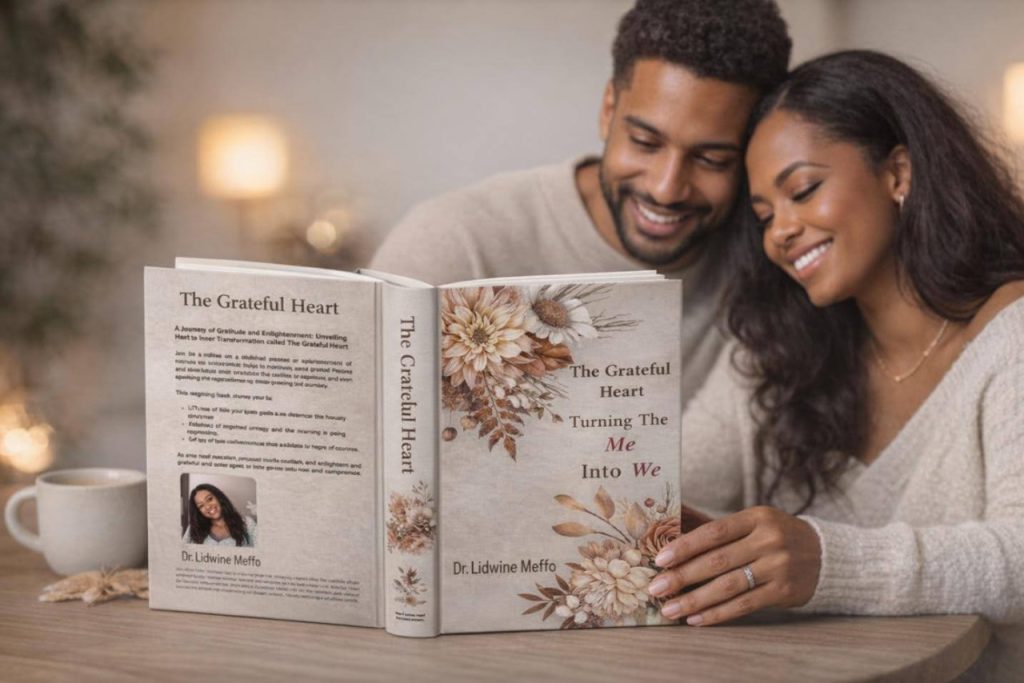
Marriage and long-term partnerships are among the most meaningful relationships we experience in life. They are spaces where love, vulnerability, growth, and challenges coexist. While many couples focus on communication, compatibility, or shared goals as the keys to a strong relationship, there is another powerful force that quietly strengthens bonds over time: gratitude.
Gratitude is more than simply saying “thank you.” It is a mindset and practice of recognizing the value your partner brings into your life. When couples cultivate gratitude intentionally, they shift their focus from what is lacking to what is present. This simple change in perspective can transform everyday interactions, deepen emotional intimacy, and strengthen the foundation of a relationship.
Research in psychology and relationship studies consistently shows that couples who practice appreciation regularly experience greater satisfaction, resilience, and emotional connection. In essence, gratitude nourishes love the way water nourishes a garden.
Why Gratitude Matters in Relationships
Every relationship naturally goes through seasons. There are moments of joy, periods of stress, misunderstandings, and times when routine dulls the excitement that once felt effortless. During these times, it is easy to focus on what a partner is not doing rather than what they are doing.
Gratitude changes that focus.
When you consciously acknowledge the efforts, kindness, and presence of your partner, you begin to see the relationship through a different lens. Instead of noticing only problems, you start noticing acts of care—small gestures that often go unnoticed.
These can be simple things:
- Making coffee in the morning
- Listening after a long day
- Helping with responsibilities
- Offering emotional support
- Sharing laughter during difficult times
Gratitude brings these moments to light. When expressed regularly, it creates an environment where both partners feel seen, valued, and respected.

Gratitude Strengthens Emotional Connection
One of the deepest human needs is the need to feel appreciated. When partners acknowledge each other’s contributions, it builds emotional safety within the relationship.
Think about how it feels when someone recognizes your effort. A simple statement such as:
“I really appreciate how you helped with dinner tonight.”
can create warmth and connection far beyond the action itself.
Gratitude acts like emotional glue. It reassures partners that their actions matter and that their presence is valued. Over time, this builds a sense of partnership rather than competition or resentment.
Couples who regularly express appreciation tend to:
- Communicate more openly
- Resolve conflicts more effectively
- Feel more satisfied in the relationship
- Support each other’s personal growth
When gratitude becomes a habit, love stops feeling like something that must constantly be proven. Instead, it becomes something that is continually reinforced through appreciation.

The Danger of Taking Each Other for Granted
In many relationships, appreciation fades not because love disappears but because familiarity grows. As routines develop, partners may unconsciously assume that certain actions are expected rather than meaningful.
For example, preparing meals, working to support the household, or caring for children can slowly become invisible tasks rather than acts of commitment.
When appreciation disappears, resentment can grow. A partner may begin to feel unnoticed or undervalued, which can slowly weaken emotional closeness.
Gratitude interrupts this cycle.
By intentionally noticing what your partner does each day, you prevent the relationship from becoming transactional. Instead of expecting effort, you acknowledge it.
Even small expressions of appreciation can completely shift the emotional atmosphere of a relationship.
Gratitude Encourages Positive Communication
Communication is often described as the backbone of successful partnerships. However, communication is not only about discussing problems—it is also about recognizing what is going well.
Couples who practice gratitude communicate more positively because appreciation softens the tone of conversations.
Instead of beginning discussions with criticism such as:
“You never help with the house.”
a grateful mindset might begin with:
“I really appreciate the effort you made this week. Could we also work together on this task?”
The second approach invites cooperation instead of defensiveness.
Gratitude does not ignore problems. Instead, it creates a respectful emotional space where solutions can be explored together.
Image Idea
A couple sitting together talking calmly, with speech bubbles containing hearts and supportive words.
Gratitude Builds Resilience During Difficult Times
Every partnership will face challenges—financial stress, career changes, health issues, or personal struggles. During these times, the strength of the relationship is tested.
Gratitude becomes especially powerful in these moments.
When couples acknowledge each other’s support during hardship, they reinforce the idea that they are facing life together rather than alone.
For example:
- Thanking your partner for being emotionally present during a difficult time
- Recognizing sacrifices made for the family
- Acknowledging patience and understanding
These expressions of gratitude strengthen the sense of teamwork that sustains relationships through adversity.
Instead of asking, “Why is this happening to us?” grateful couples ask, “How can we grow stronger through this together?”

Practical Ways to Practice Gratitude in Marriage
While gratitude may sound simple, it becomes powerful only when practiced consistently. Couples who intentionally cultivate appreciation often create small daily rituals that reinforce their connection.
Here are several practical ways to integrate gratitude into your relationship.
- Express Appreciation Daily
A simple “thank you” can have lasting emotional impact. Make it a habit to acknowledge something your partner did each day.
For example:
- “Thank you for listening to me earlier.”
- “I appreciate how hard you worked today.”
- “I’m grateful for how supportive you are.”
These words reinforce the idea that your partner’s efforts are noticed.

- Keep a Shared Gratitude Journal
Some couples enjoy writing down things they appreciate about each other. A shared journal can become a meaningful reflection of your relationship over time.
Each partner can write short notes such as:
- Something they appreciated that day
- A favorite memory
- A quality they admire in the other person
Over months and years, this record becomes a powerful reminder of the relationship’s strengths.
- Celebrate Small Moments
Many people wait for large milestones to celebrate relationships. Gratitude encourages couples to appreciate everyday experiences.
Celebrate:
- Completing a difficult week
- Supporting each other through stress
- Achieving small personal goals
- Sharing laughter together
These moments reinforce positivity and deepen emotional connection.

- Practice Listening with Appreciation
Gratitude also involves appreciating your partner’s thoughts, emotions, and perspective.
When your partner speaks:
- Listen without interrupting
- Acknowledge their feelings
- Validate their experiences
This type of listening communicates respect and care.
Sometimes the greatest form of appreciation is simply being fully present.
Gratitude and Long-Term Love
Relationships that last decades often share one common trait: partners never stop appreciating each other.
Long-term love is not sustained only by romance. It is sustained by everyday respect, kindness, and recognition of each other’s value.
Gratitude nurtures this process.
When couples continuously acknowledge each other’s contributions, the relationship evolves from simple attraction into deep partnership.
Instead of asking what they are missing, grateful couples ask:
- “What do I appreciate about you today?”
- “How can I support you?”
- “What makes our relationship special?”
These questions keep love alive through intentional awareness.

The Ripple Effect of Gratitude in Marriage
The power of gratitude does not stop with the couple themselves. It spreads outward.
Children who observe appreciation between parents learn how to treat others with respect. Friends and family members feel the warmth of the relationship’s positive energy.
In this way, gratitude transforms relationships from private connections into sources of inspiration for others.
It reminds us that love is not only a feeling—it is also a daily practice.
Final Reflection
Marriage and partnerships thrive when both individuals feel valued and appreciated. Gratitude creates the emotional environment where this appreciation can flourish.
By intentionally noticing and expressing thankfulness, couples cultivate deeper connection, stronger communication, and greater resilience through life’s challenges.
Love grows when it is recognized.
So today, pause for a moment and reflect on your partner.
What qualities do you admire in them?
What efforts have they made recently?
What small gestures have made your life easier or brighter?
Sometimes the most powerful words in a relationship are the simplest ones:
“Thank you for being part of my life.”